








What Are Keyword Research Tools?
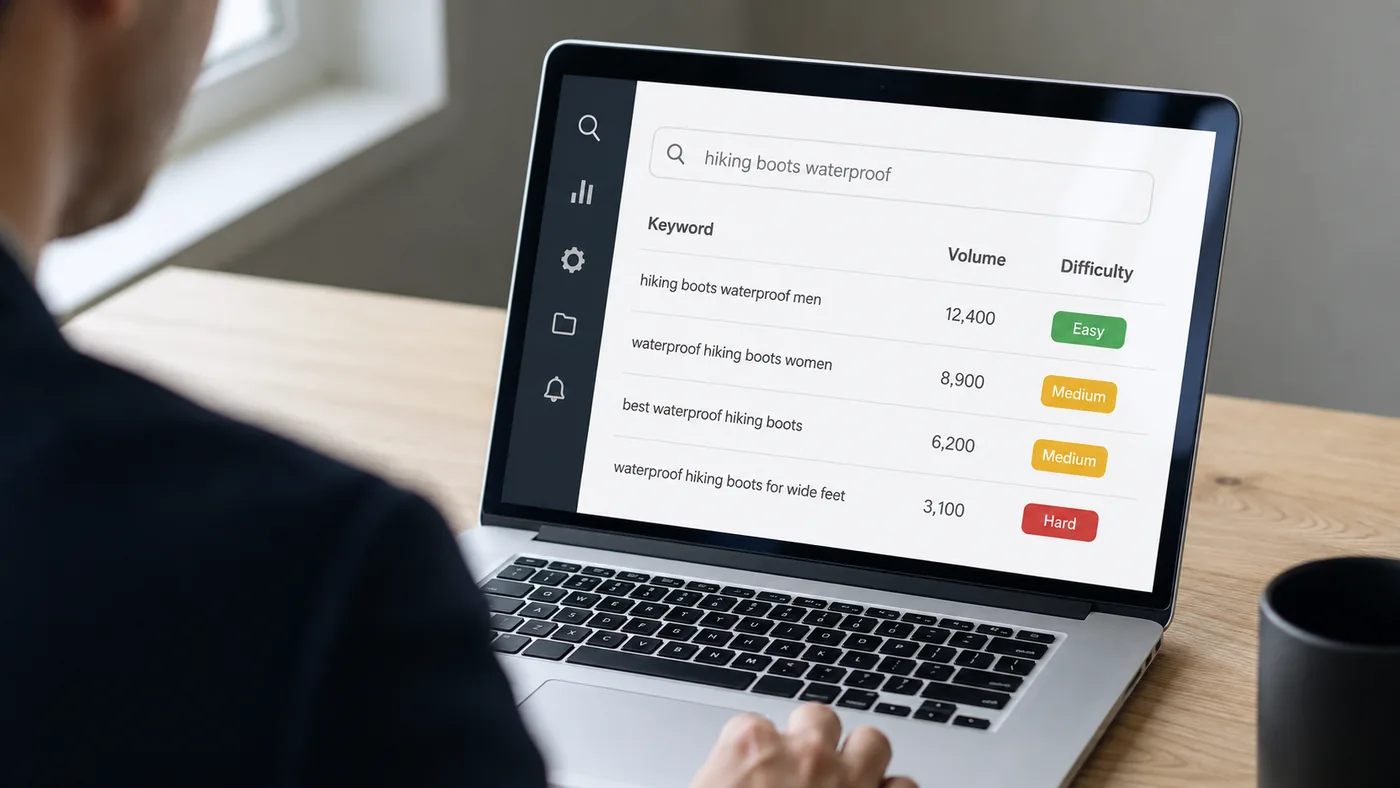
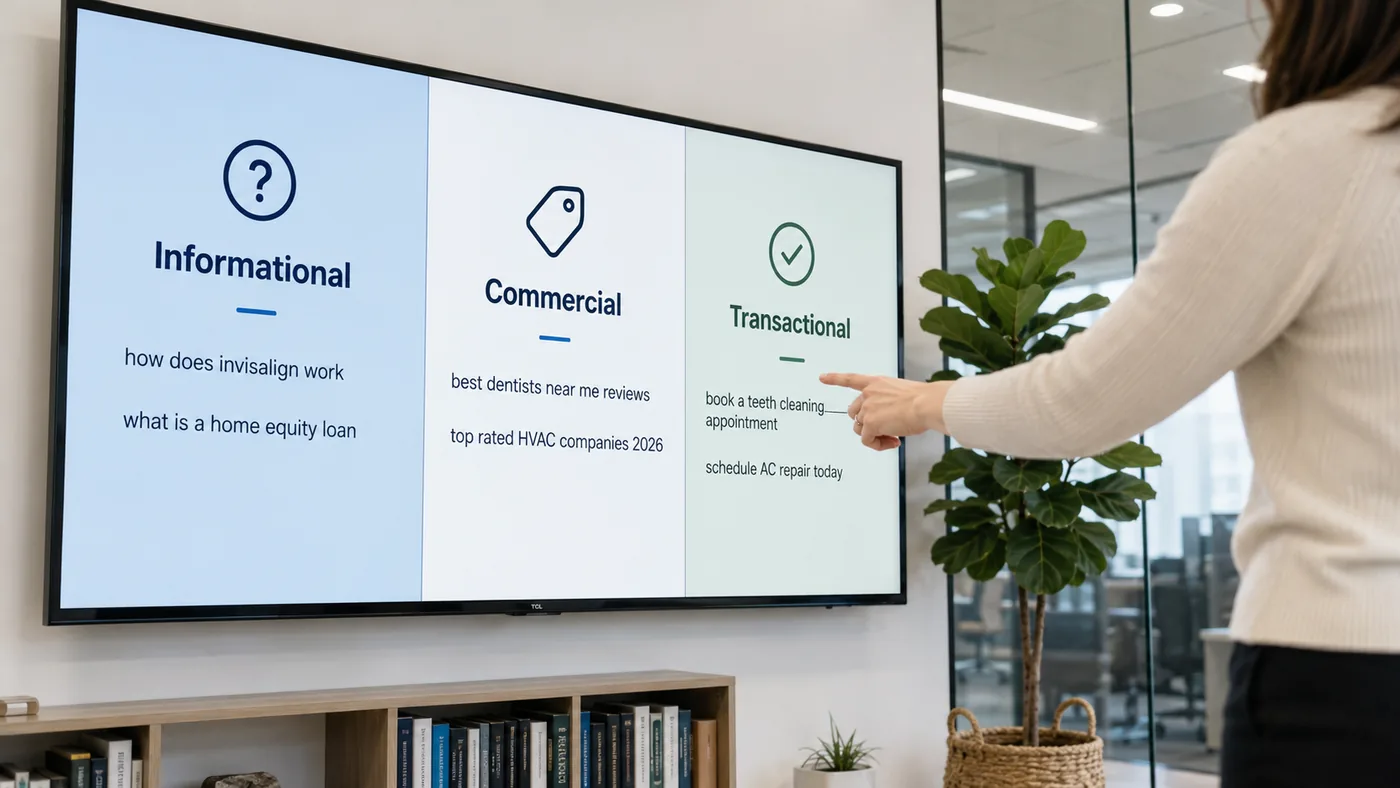
Keyword research tools such as Google Keyword Planner within a Google Ads account help find keywords based on Google search behavior. They show key metrics that help you understand what people search for and how searcher intent changes for your target audience.
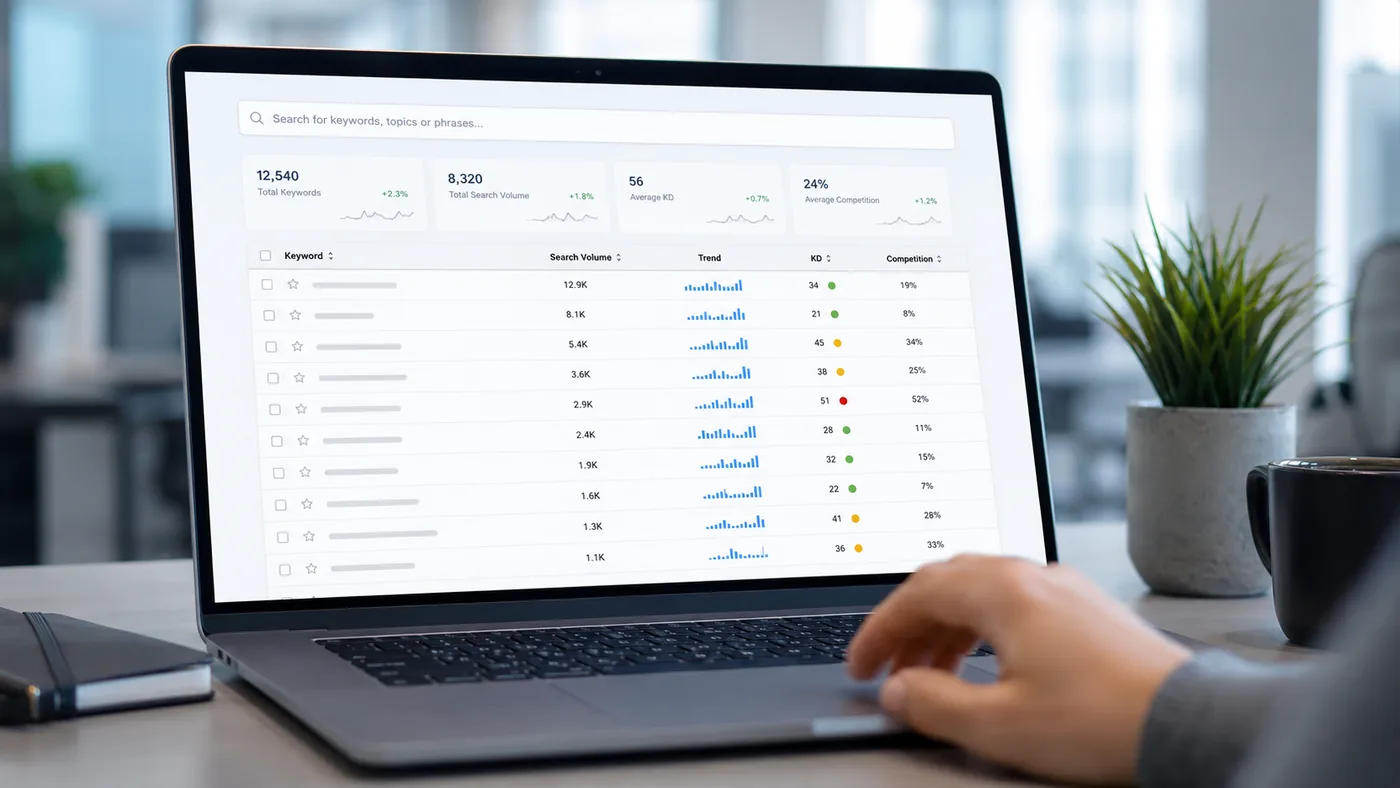
Google Keyword Planner pulls data on search volume and competition for any phrase you want to target. We use that search volume data to compare keyword opportunities and decide where to focus.
The cost-per-click it provides is specific to pay-per-click advertising (PPC) keywords; however, how much advertisers bid on paid ads is a good indication of how competitive organic traffic is to acquire. We validate this data with other tools to uncover gaps and confirm emerging trends.
Many keyword research tools allow users to filter keyword suggestions based on industry and location, ensuring results stay relevant to specific business needs and target audiences.
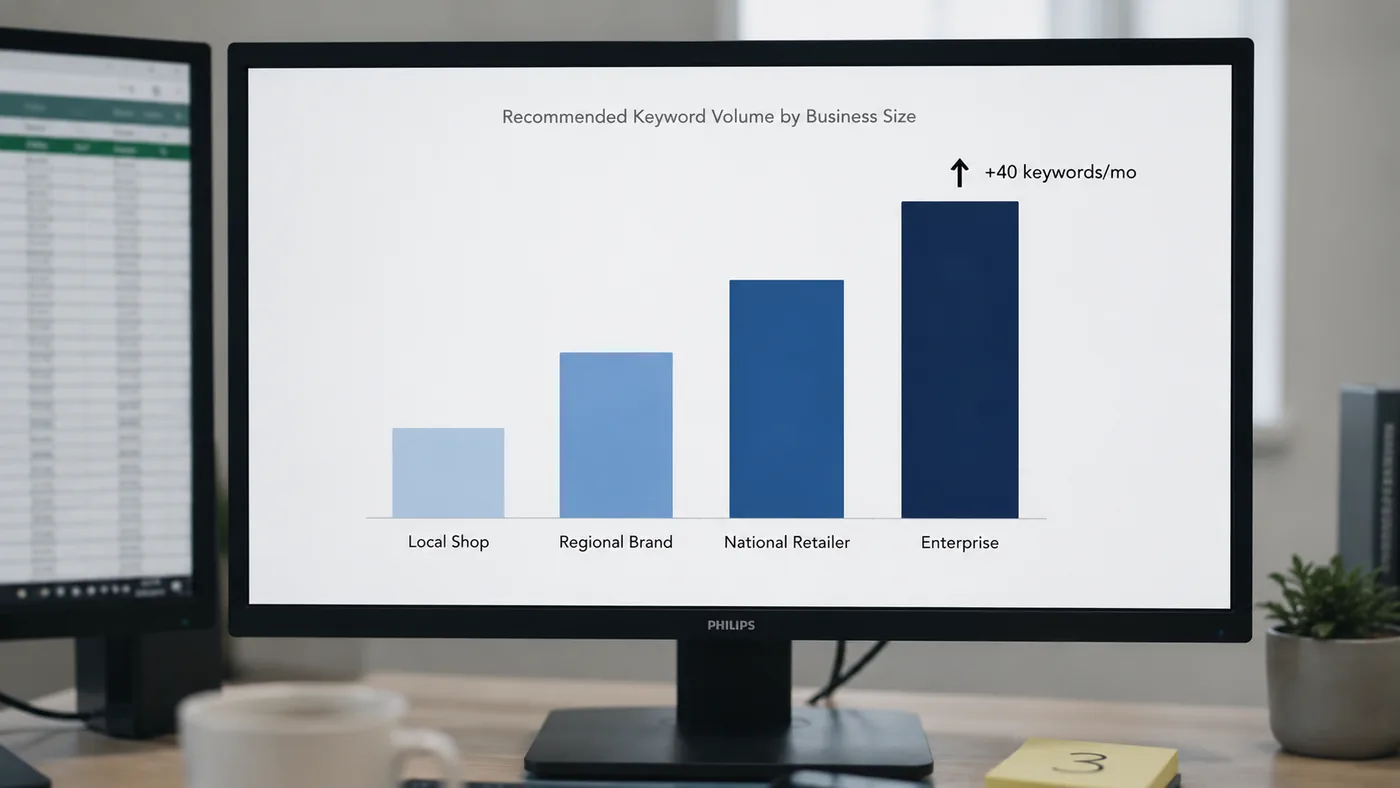
Our team uses a mix of professional-grade platforms to build your keyword list. Raw data from a tool only tells part of the story though. Interpreting that data, deciding which numbers actually matter for your business, takes experience most in-house teams don't have time to build.
Free Keyword Research Tools vs. Professional Keyword Research
There are completely free keyword research tools, including limited versions of keyword planner tools. But most cap the number of searches you can run and limit the depth of data they show. They often skip the competitive analysis that separates a good keyword from a wasted one.
A professional keyword research agency goes further. We combine paid tool access with manual analysis of your competitors and your existing rankings to better target your audience's actual search behavior. The free version gets you a keyword list; the professional version turns keyword search data into SEO content that actually matches buyer intent.
How We Use the Google Keyword Tool and Other Data from Search Engines
The Google Keyword Tool remains one of the most reliable sources for search volume and competition data, because it pulls directly from the search engine people use most. We pair that data with insights from other platforms to confirm trends and catch keywords Google's tool might underreport.
Search engine behavior keeps shifting, too. AI-driven results now sit at the top of many search engine pages, pulling answers from sources that match the conversational way people phrase questions. Our research accounts for this shift so your keyword list works for both classic search results and AI-generated answers.