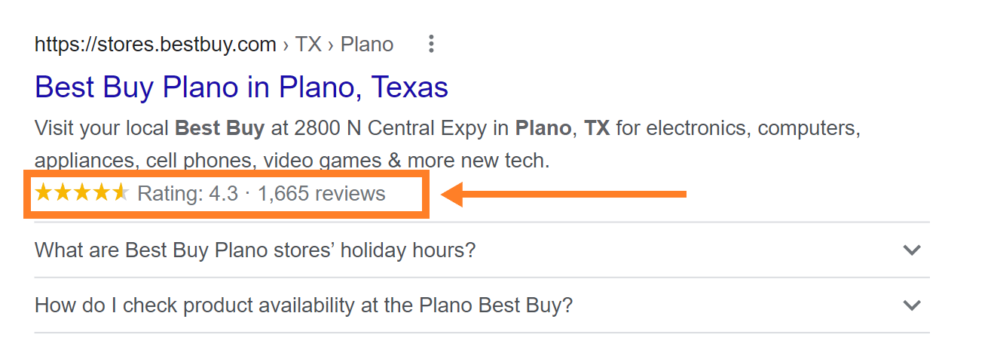
If you have searched for competitive keywords like “enterprise seo services” lately, you may have noticed something: a handful of agencies are displaying star ratings right in their Google search listings. Those golden stars stand out against the sea of plain blue links, and they are almost certainly generating more clicks.
But here is what most people do not realize. Many of those stars should not be there. And if you are a service based business thinking about copying that approach, you could be setting yourself up for a devastating ranking penalty.
We know this because we have seen it happen firsthand.
The Allure of Review Schema for Service Businesses
Review schema markup, the structured data code that tells Google to display star ratings in search results, is one of the most powerful click through rate tools available. Studies consistently show that listings with star ratings can see CTR improvements of 20 to 35 percent from the same ranking position. When your competitors are sitting below you in the search results but pulling more clicks because of a visual trust signal, it is tempting to want that same advantage.
The problem is that Google has very specific rules about which types of businesses and pages are eligible for review rich results. And most service based businesses do not qualify in the way they think they do.
Product Schema vs. Professional Service Schema: A Critical Distinction
Google supports review stars for specific schema types. The most common one that generates those coveted star ratings is Product schema. This is designed for actual products: physical goods, software licenses, things people purchase as discrete items with a price, a SKU, and verifiable transaction data.
For service based businesses like marketing agencies, law firms, consulting companies, and contractors, Google recommends LocalBusiness schema or its subtypes. These schema types can technically include an aggregate rating, but Google is far more selective about rendering stars for service businesses than for product listings.
Why the difference? It comes down to verifiability. A product rating can be cross referenced against purchase data, merchant feeds, and third party review platforms. A service rating is inherently more subjective and harder for Google to verify at scale.
The Gray Area That Gets Agencies in Trouble
Here is where it gets interesting. Some agencies have discovered a workaround: they mark up their service pages using Product schema instead of the recommended LocalBusiness or Service types. They treat their service offering as if it were a product, assign it a brand name, attach an aggregate rating from a third party review platform, and wait for Google to render the stars.
And sometimes it works. If you search for “enterprise seo services” right now, you will see agencies ranking on page one with star ratings displayed beneath their listings, while every other agency in the results has none. Google’s Rich Results Test will validate the markup as technically correct, and the stars will appear in search results.
But there is a catch. Schema.org, the vocabulary that defines these markup types, does technically allow services to be described as products. Its definition of Product includes “any offered product or service.” However, Google’s own implementation guidelines diverge from Schema.org’s broader definitions. Google’s Product structured data documentation focuses exclusively on product content and has no provision for service businesses.
Google’s John Mueller has addressed this directly. When asked about using Product schema for a service business, he recommended using LocalBusiness structured data instead, reinforcing that Google’s guidelines and Schema.org’s definitions do not always align.
This creates a situation where markup can be valid according to Schema.org but problematic according to Google’s guidelines. And when Google decides to enforce its own rules, the consequences can be severe.
What Happens When Google Catches On
When Google detects markup that does not align with its structured data policies, the response is not always proportional. You might expect that the worst case scenario is simply losing your rich snippet, where the stars disappear but your rankings stay intact.
In practice, it can be much worse. We have observed cases where pages using inappropriate schema types experienced dramatic ranking declines, not just losing their rich results but dropping from the first page of search results entirely. The recovery process can take weeks or even months.
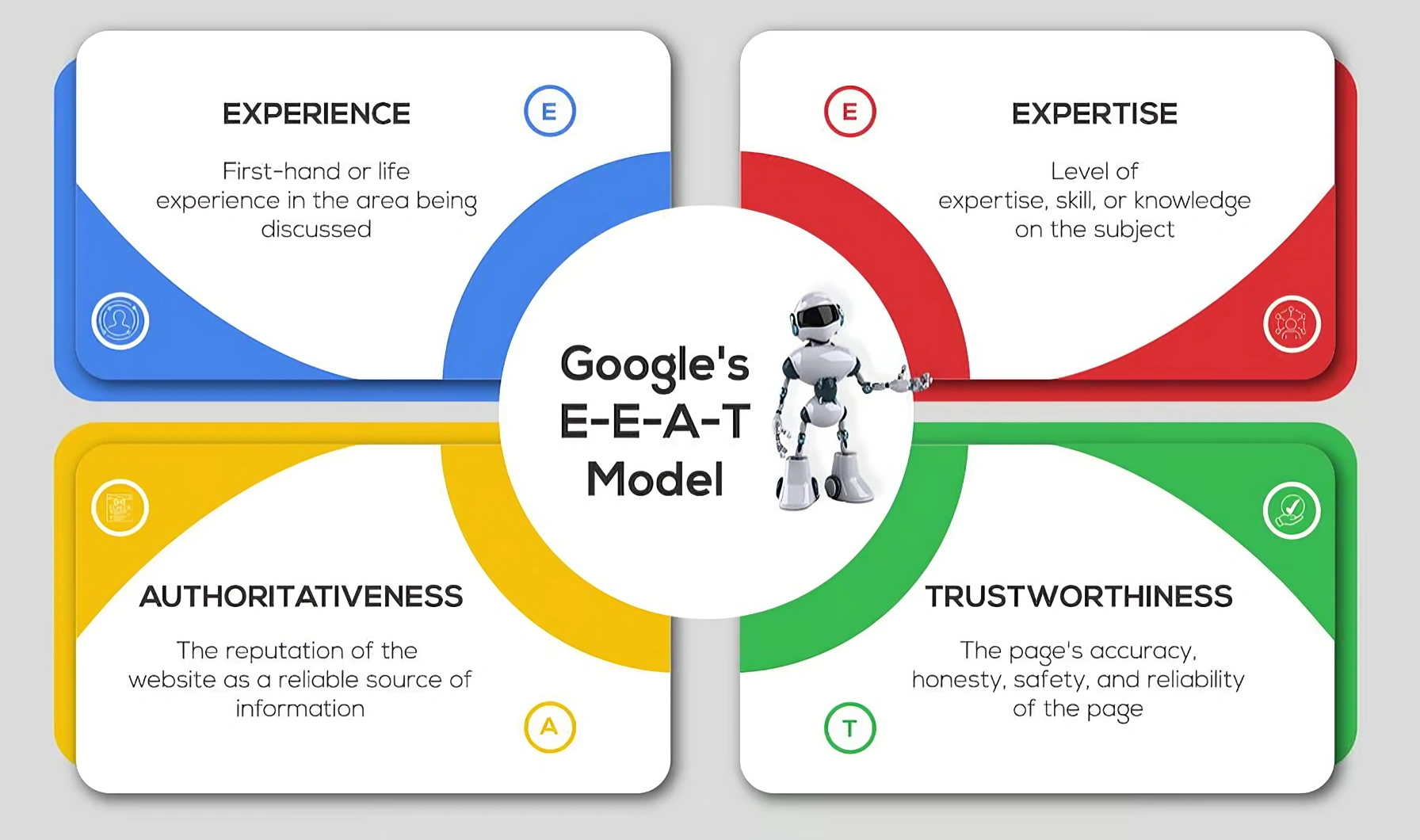
The likely explanation is that Google interprets misapplied schema as a trust signal violation. When your markup says one thing and your content is another, it undermines the credibility signals that Google relies on to rank your page. The penalty is not just about the schema. It is about what the schema says about your willingness to manipulate search results.
As Google states in their general structured data guidelines: “Your structured data must be a true representation of the page content.” When a services page is marked up as a product, that representation is arguably inaccurate.
Why Some Competitors Get Away With It (For Now)
If you are looking at a competitor showing review stars on their services page and wondering why they have not been penalized, there are usually a few explanations.
They actually sell a product. Some agencies also sell software tools, platforms, or licensed technology. If a company legitimately sells a product alongside their services, they have a reasonable justification for using Product schema. The markup is not misapplied because it reflects the reality of their business model.
They are a directory or marketplace. Review aggregation platforms, agency directories, and comparison sites are designed to collect and display reviews. Review schema is exactly what these sites are built for, and Google treats them accordingly.
They have not been caught yet. Google’s enforcement is not instantaneous or universal. A site with strong domain authority and established trust signals might fly under the radar longer than a smaller competitor attempting the same tactic. Search a competitive term like “enterprise seo services” and you will notice that out of dozens of results, only one or two agencies display stars. That is not because the others have not tried. It is because most either know better or learned the hard way. “Not yet caught” is not a sustainable SEO strategy.
The Right Way to Leverage Reviews as a Service Business
If you are a service based business, there are legitimate, risk free ways to benefit from your reviews without manipulating schema markup.
Invest in your Google Business Profile. Google controls the review ecosystem on GBP, and those reviews directly influence your visibility in local pack results and map listings. Stars from your GBP reviews are displayed in search results with zero schema markup required, because Google trusts data from its own platform.
Build volume on recognized review platforms. Platforms like Clutch, G2, and Trustpilot have their own authority in Google’s index. When someone searches for your brand name, your profiles on these platforms will often appear with star ratings, giving you review visibility without any schema risk on your own site.
Optimize what you can control. Your title tag and meta description are powerful CTR levers that carry zero risk. A compelling title that communicates your unique value proposition and a meta description loaded with social proof, such as years of experience, client results, and industry recognition, can be just as effective at driving clicks as star ratings.
Display reviews prominently on your site. Even without schema rendering stars in the SERP, visible reviews on your landing pages build trust once visitors arrive. The conversion happens on the page, not just in the search result.
The Bottom Line
Review stars in search results are undeniably effective at driving clicks. But for service based businesses, the path to getting those stars through schema markup is fraught with risk, and the potential downside far outweighs the upside.
If you are already ranking well for your target keywords, the smartest move is to protect that position. A number one ranking without stars will always outperform a page 10 ranking that used to have stars.
Focus on building genuine review equity through Google Business Profile, trusted third party platforms, and compelling on page content. These strategies are sustainable, fully compliant with Google’s guidelines, and immune to the algorithm enforcement actions that can devastate pages using gray area schema tactics.
The agencies showing stars on their service pages today are either legitimately structured to support that markup or they are borrowing time. Either way, the risk is not worth taking for your business.
SEO Brand has been providing enterprise level SEO services for over 20 years, helping Fortune 500 companies and ambitious brands navigate the evolving search landscape. Our approach prioritizes sustainable strategies over short term tactics. Get a free proposal to see how we can help your business grow through search.